IMB-CNM collaborates with VLC Photonics
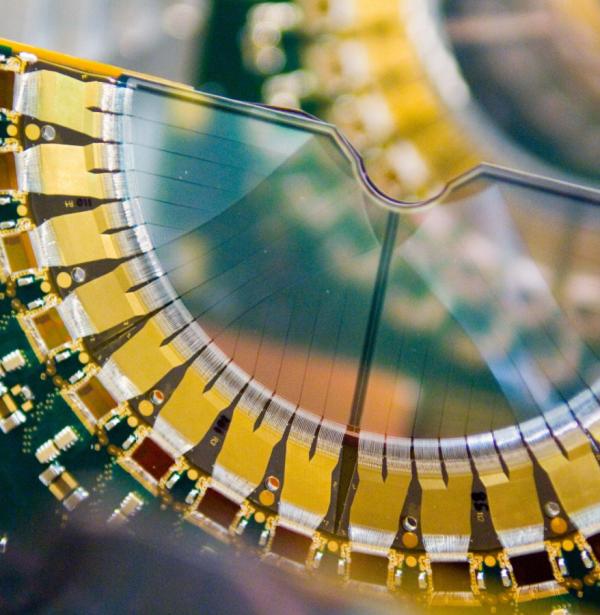
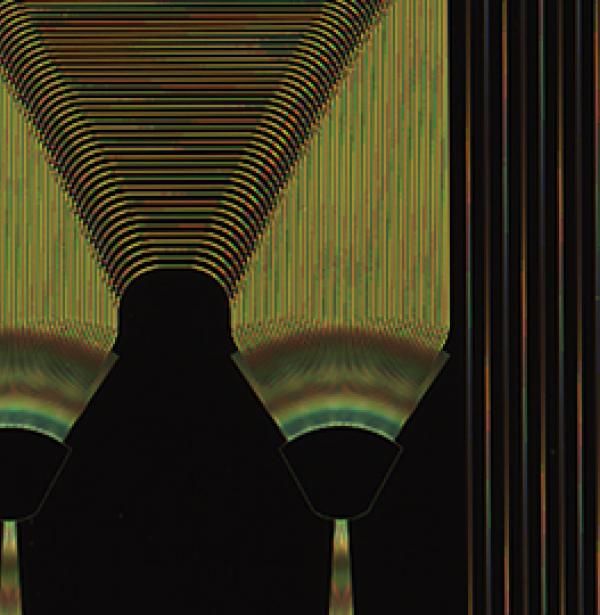
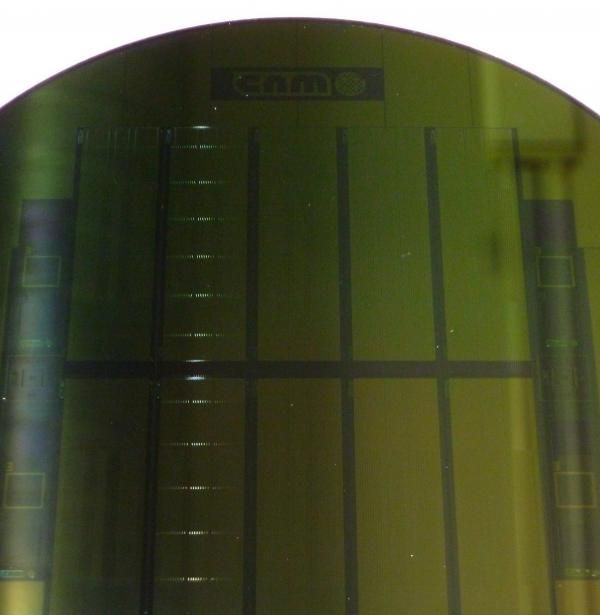
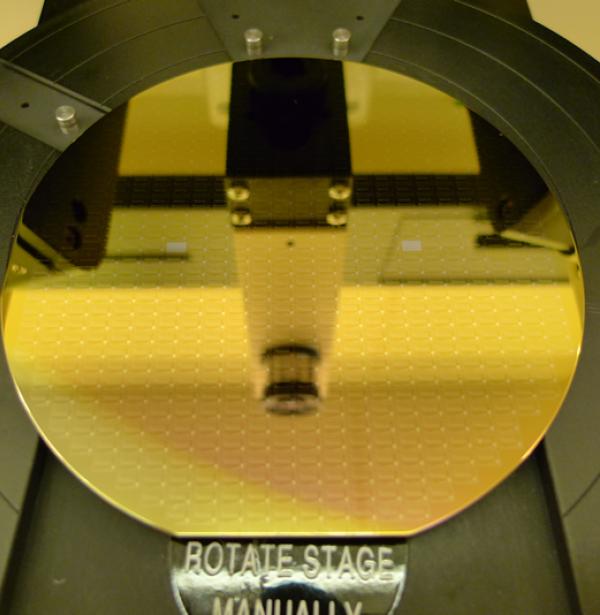
The company has developed silicon photonics chips with biomedical and telecommunications applications with the CSIC center.
La Sala Blanca, instalación científica del Instituto de Microelectrónica de Barcelona (IMB-CNM-CSIC), está desarrollando y fabricando dispositivos fotonicos destinados al proyecto europeo CONVAT, dirigido y coordinado por la profesora Laura M. Lechuga, investigadora del CSIC en el Instituto Catalán de Nanociencia y Nanotecnología (ICN2). El objetivo del proyecto es crear un nuevo dispositivo basado en un biosensor óptico con nanotecnología, que permitirá detectar el coronavirus SARS-CoV-2 en 30 minutos. La idea es que la prueba pueda realizarse directamente con la muestra del paciente sin la necesidad de testear en laboratorios clínicos centralizados.
POC4COV and CONVAT are the two projects for the development of SARS-CoV-2 diagnosis tools in which the IMB-CNM is involved.
Ion-irradiation-induced Si nanodot Self-Assembly for Hybrid SET-CMOS Technology. The aim of the IONS4SET project was to create single electron transistors for ultra-low power electronics so that the component using these optimized transistors delivers good performance at very low energy consumption. This type of transistor requires fabrication of nanopillars well beyond the state of the art, which implement a process compatible with the semiconductor industry (CMOS).
It is a five years FET-PROACTIVE project aiming at miniaturised mixed energy harvesting and storage devices using disruptive concepts from the emerging Nanoionics and Iontronics disciplines. These nano-enabled micro-energy systems with a footprint below 1 cm3 should power autonomous wireless sensor nodes for the future Internet of Things from ubiquitous heat and light sources. CNM is providing the technological resources and knowhow to integrate those devices in silicon technology allowing the highly dense features and scalability required for real miniaturization and massive deployment that will show their viability as a new technological paradigm of embedded energy.
CSIC scientists at the IMB-CNM and ICMAB are working to achieve an efficient zinc-air battery recharging. These batteries have more capacity than the lithium-ion ones, and are made of cheap materials, which are widely available in nature as well as safe.
Formed by 14 research groups from all over Spain, and coordinated by the CSIC's Institute of Microelectronics of Barcelona (IMB-CNM), it was born as a research network around open hardware architectures based on the ISA RISC-V (the language open source machine), but it aims to go further and generate collaborative synergies between the fields of research, training and innovation.
In the Clean Room of the Barcelona Microelectronics Institute (IMB-CNM-CSIC) scientists are developing devices for COVID-1 diagnostic sensors. This work is part of two projects: Convat , led by ICN2, and POC4CoV, co-led by the Institute of Advanced Chemistry of Catalonia (IQAC-CSIC) and the IMB-CNM, CSIC.