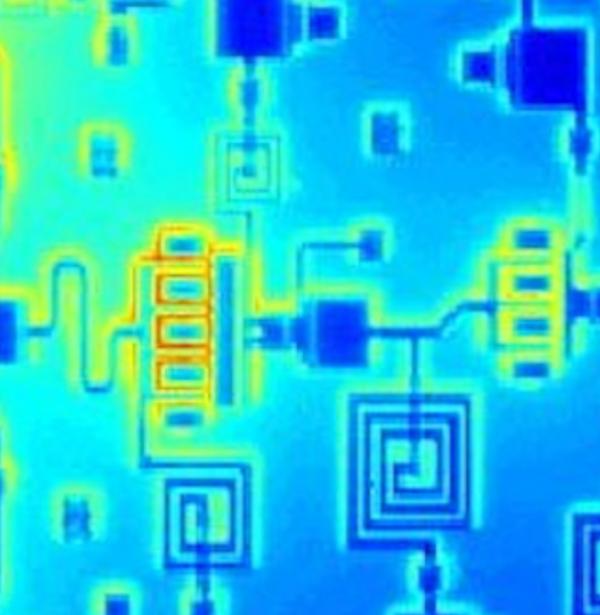
Local thermal resistance extraction in monolithic microwave integrated circuits
New paper published in the journal IEEE Transactions on Industrial Electronics by the Power Devices and Systems Group (PDS).
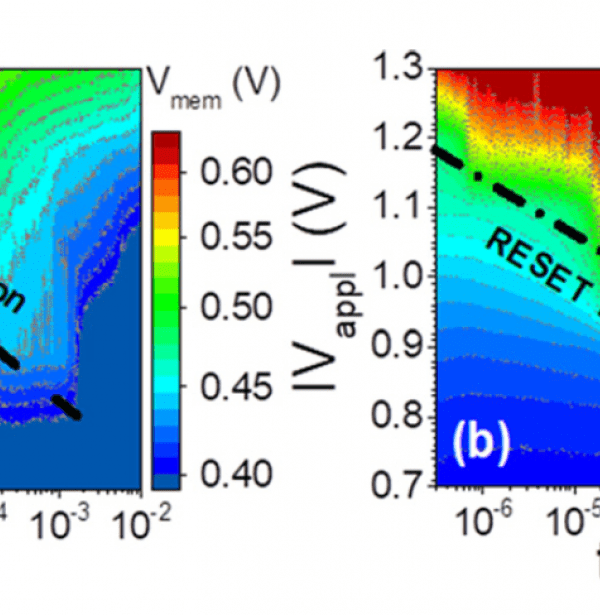
The Advanced Thin Dielectric Films Group (ATDF), led by Francesca Campabadal, has just published the last paper of the year in Applied Physics Letters. "Current transient response and role of the internal resistance in HfOx-based memristors" is the last publication of an IMB-CNM group in 2020.
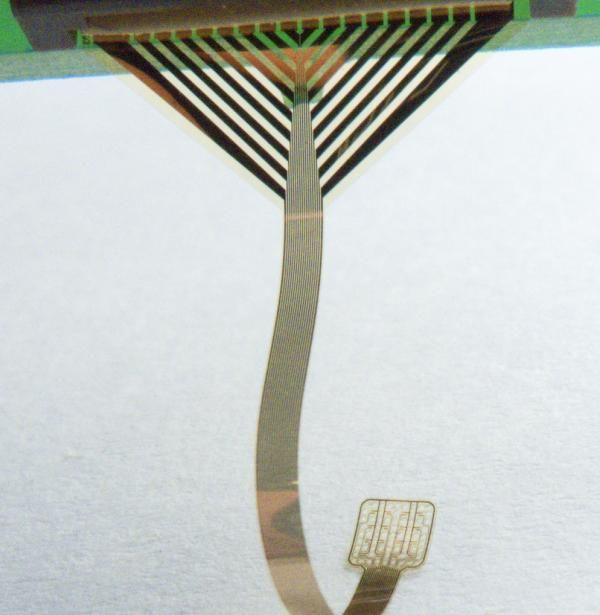
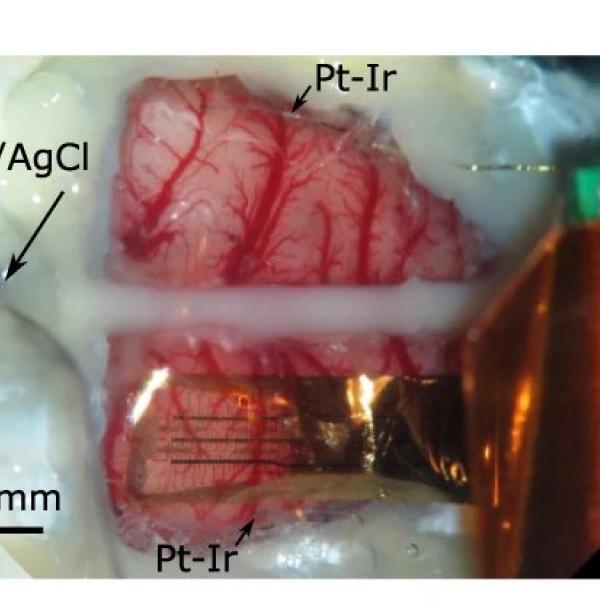
"Graphene active sensor arrays for long-term and wireless mapping of wide frequency band epicortical brain activity" is the new paper published in Nature Communications. It has the contribution of three Biomedical Applications Group (GAB) members.
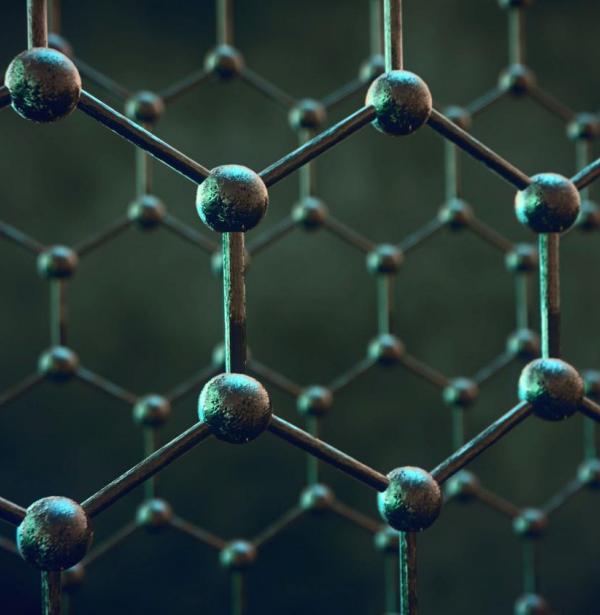
Researchers from the Institute of Microelectronics of Barcelona (IMB-CNM) and the laboratory CIBER- BBN have developed a simple procedure to isolate highly crystalline graphene. The method enables the graphene to be transferred from the silicon carbide substrate, where it has been formed, to any other one, such as a dielectric for electronic device applications.
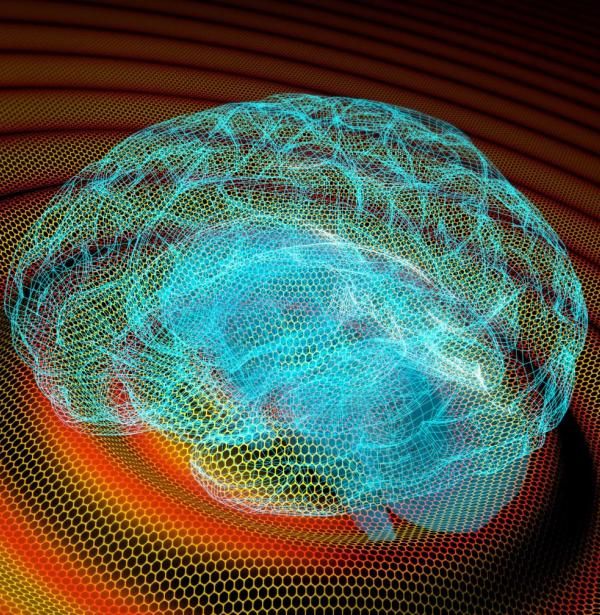
This graphene-based implant can record electrical activity in the brain at extremely low frequencies, below 0.1 HZ, and over large areas. The prototype was developed by scientists from the Barcelona Microelectronics Institute (IMB-CNM) of the CSIC, the Catalan Institute of Nanoscience and Nanotechnology (ICN2, a center of BIST and CSIC), and the CIBER-BBN
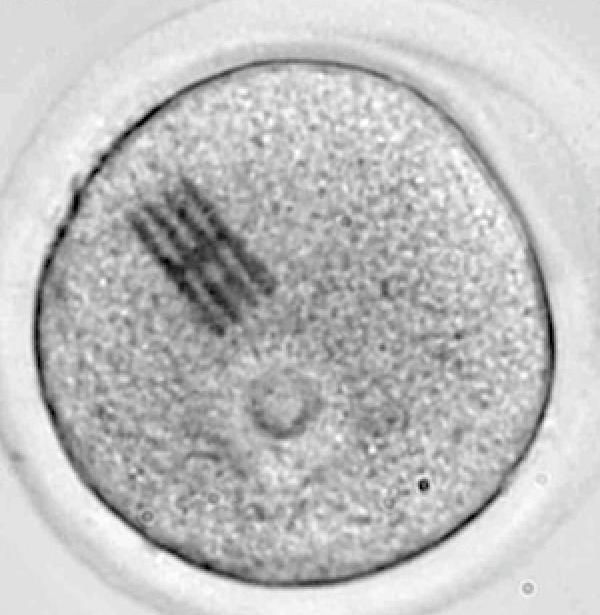
Científicos del Instituto de Microelectrónica de Barcelona (IMB-CNM), y de la Universidad de Bath crean e introducen estos dispositivos en óvulos. El chip funciona como sensor mecánico y es extremadamente minúsculo: tiene una longitud tres veces más pequeña que el diámetro de un cabello humano y un grosor tres veces menor que el de un virus como el SARS-CoV-2. El trabajo, publicado en Nature Materials, mide las fuerzas que reorganizan el interior del óvulo desde que se introduce el espermatozoide hasta que el embrión se divide en dos células.
Esta nueva tecnología podría facilitar la llegada de una nueva generación de interfaces cerebro-ordenador